

Our world has become one of glaring contradictions, where the mythology of the systems upholding the fabric of our societies cannot hold up against reality. Globalisation and consumerism promised convenience, ease and connection but instead bred more individualism, apathy and competition for resources (jobs, homes, food etc). People are lonelier and more disconnected, a complete inversion of what the ‘modern’ world promised.
These same material conditions prescribe quick fix remedies reminiscent of antiquated, ineffective yet well meaning solutions such as humorism or blood letting. When it comes to therapy the prescription is often only focused on the individual when the malady is more social and structural. Depression, among the most common mental health conditions, manifests differently in each individual, however, the symptoms are an indictment on the social, cultural and political conditions that bring it about:
People are depressed because they can’t find work and are unhoused, and if they do have a job their salary leaves just fast as it came to line the pockets of landlords, insurance companies, telecommunications companies and other mega corporations.
Children and Teens are miserable, anxious and drawn to red pill content because there are no meaningful outlets for their creativity and no social spaces for community building and emotional development. They’re hooked to their phones and vapes because the adults around them are too busy on the capitalist hamster wheel to mind them. They’re trying to find belonging and community in a society that is slowly forgetting the art of kinship.
Even the elderly are abandoned and forsaken, because nobody has time or money to see them or invest in them. This is especially true of western countries, where many of them die alone.
Burnout is the most common yet least explored affliction of our modern times. People are too mentally, physically and emotionally exhausted to live their lives happily. It’s impossible to meet any adult who doesn’t say they’re always tired.
Ours is a world whose values and principles have eroded. Even labor, which can be an honorable thing when in service of a greater good, has been corrupted into a money making scheme. Humans across time and civilization have always worked. Money itself isn’t evil, but when hailed as the only means to live a quality life, when it becomes a means of survival instead of a sign of appreciation for one’s labor and effort, then it’s a blight on society.
In a society like this, therapy (mental and physical) is to healing what humorism was to medicine: a cure-for-all mental remedy that often bypasses the conditions that lead to mental illnesses.
So what do some people do when they hurt in unseen ways and therapy is not accessible to them? They turn to God. They find religion. They find a structure, a system that deals with the unknown and the unseen, in the hope they will find respite.
Is it a perfect resolution? No, but just like medicine it offers moments of calm and peace amidst the turmoil. Just like therapy, God can make people feel temporarily stable in facing their circumstances, feel in control of the pain roiling inside of them. But this piece is not about god or religion. It’s about spirit and all the ways we have lost language and sight to recognize it in our modern times.
When thinking about the unique conditions of our modern world and the times we find ourselves in, spirituality has to merge with medicine.
* * *
Spirituality: of, relating to, consisting of, or affecting the Spirit
Spirit: the immaterial intelligent or sentient part of a person; a special attitude or frame of mind; the feeling, quality of disposition characterizing something
These are the definitions of Spirit and Spirituality according to Merriam Webster. Spirituality is not to be conflated with religion and religious practices – while spirituality is an important facet of religion, religiosity is not mandatory to Spirituality.
Therapeutic: of or relating to the treatment of disease or disorders by remedial agents or methods; having a beneficial effect on the body or mind; producing a useful or favorable result or effect
Therapy: therapeutic medical treatment of impairment, injury, disease or disorder
In conventional thought, therapy is often conflated with mental health practice, when in actuality it can refer to any and all medical practices that seek to ease suffering. This not only includes psychological therapies such as Cognitive Behavioral Therapy, the most commonly known type of therapy, but also physical therapy for those with physical pain or limitations.
By distinguishing these definitions between therapy and spirituality, I want to emphasize the incorporeal, invisible and intangible phenomena these two seemingly disparate disciplines dabble in. There are a lot of overlaps that I believe go unrecognized or underappreciated. One does not require belief in a God or be affiliated with a religious group to have spiritual experiences.
Spirit lives within the body like a flint waiting to be ignited. It ignites when one births their first child; when experiencing the first ray of sunlight at dawn; when a beloved pet cuddles next to you; when a stranger shows a generosity you didn’t know you needed. Spirit is about the small and big ways we are transformed, consciously or unconsciously. It’s about how we, as individuals, are connected to the flora and fauna around us, connected to one another across time and bodies through our ancestors and shared histories.
In short, spirituality can be therapeutic and therapy can be spiritual. We need a holistic integration of both without stigmatizing the other when defining and approaching health.
Epigenetics & Generational Inheritances Across Time and Bodies
Individuals of South Asian decent are more likely to develop type 2 diabetes in their lifetime, accounting for 12.7% of the global population (500+ million people).
Women of African descent are more likely to develop uterine fibroids, with up to 50% of women developing fibroids by age 35 and up to 80% by age 50
Black Women in North America (Canada, US, Mexico) are also at higher risk for developing cardiovascular disease, hypertension, stroke, lupus and various cancers
Individuals of African descent, especially from the West Indies or West Africa, carry an increased risk for arrythmia
Sickle Cell Disease (SDC) constitutes a public health crisis in Sub-Saharan Africa, affecting 800 out of 100,000 people
Mediterranean, West Asian and South Asian and African populations have a 80% likelihood of carrying the thalassemia gene. Since these regions also have high prevalence of malaria carrying mosquitos, it is theorized this is a genetic adaption
The examples are but few of many inherited health complications influenced in part by geography and history, and accelerated by environmental factors such as poverty. This is one of the many ways spirit is ignited across time and bodies.
Even when observing the state of Black Women’s Health in Canada and USA, the maladies afflicting Black women are a direct consequence of slavery and enduring structural racism. These afflictions are also poignant reminders of the kind of stress violent racism brings about. Moreover, a young man of Indian descent developing diabetes at 35 has more to do with his ancestors repeatedly facing famine at the hands of the British occupation on the Indian subcontinent for 200 years than his lifestyle choices, which he shares with friends of other ethnicities and who are less likely to develop type 2 diabetes compared to him.
The body responds and adapts to structural violence in resilient ways that modern medicine has an obligation to address.
When it comes to western medical practice, there is the core philosophy that disease is primarily an internal dysfunction, as in the case of mental health or chronic illnesses, or an external disruption, as in a bacterial infection. There is limited understanding that one is not just healing one body, but many generations of inherited pain and factors that make one prone to illness. In the case of colonial violence, I believe descendants of those who enacted and enabled violence also inherited unseen illnesses manifesting as apathy - sociopathy and/or psychopathy. It takes a lot of self dehumanization to inflict dehumanizing violence on others, so I doubt oppressors and their descendants were “just fine.”
There is an ask and an opportunity for medicine to work with more than present symptoms and analyze the more abstract, invisible, elements contributing to disease. Looking at the public health crisis that was (and still is) the Covid pandemic, the crisis pointed to structural and systemic fallacies and inequities within societies, from socioeconomic gaps, to a lack of social and spatial awareness of others and the apathetic rhythms of daily life (which saw millions die in isolation while health care workers were overwhelmed). The pandemic forced the world to slow down and halt, revaluate social relationships and reflect on the modern capitalist machine, which was forced to become virtual. The pandemic also contributed to an ‘anthropause’, which allowed much of the natural world to flourish through reduced pollution and improved air quality.
Technological, cultural and social developments over the last 3 decades suggest the next evolution of our civilization requires a more holistic approach that deviates from an anthropocentric lens, and that includes not seeing the human as a closed, isolated system.
When we see and understand spirituality as the relationship between an individual and the world around them, we can begin to give shape to a system that honors the unique needs of others and enables them to thrive. It allows us to have more respect for the world we in as we define what it means to take responsibility for our ecosystems; it allows us to physically and mentally nourish ourselves by indulging relationships and connections that empower us without extracting and transacting emotional bonds; and it allows us to build more meaningful lives not solely centered on exchanging our life force to companies for money.
Methodology & Practice: Holistic vs Empirical
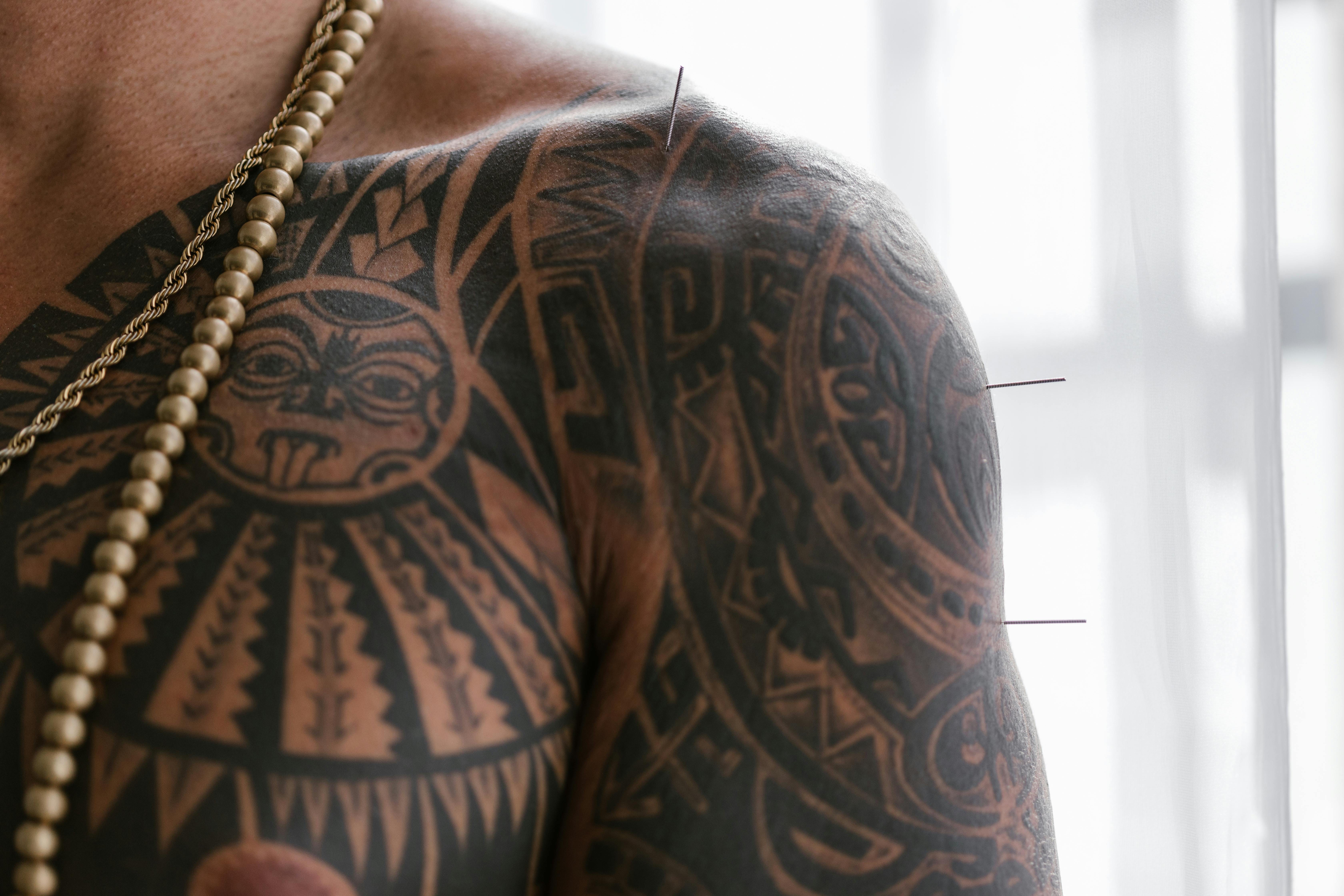
In my first acupunctural treatment I sought the relief of tightness in my body. The Clinician began with a series of questions about my lifestyle, stress levels and state of my relationships. Following a body examination, she diagnosed me with suppressed emotional stress that was affecting my liver, which was not processing toxins properly, and that my body was tilted slightly to one side in an act of bracing my body from the tension. At the end of the session, I was given dietary recommendations to cleanse and further destress my body. It was an enlightening experience that propelled me to better understand my body beyond physical symptoms. That one session reframed my understanding of wellbeing in spite of my Family Doctor recommending painkillers and RMT massages for chronic tension.
The blend of spirituality and medicine is not new to Indigenous and non-western practitioners already. In many traditional medical practices, including Ayurvedic and Traditional Chinese Medicine (TCM), it’s understood that illnesses manifest as a consequence of an energetic imbalance within the body. Interestingly enough, humorism, which is now considered an outdated and disproven medical practice in the west, also has origins in the philosophy of internal, energetic balance of ‘humors’ or bodily fluids.
In the case of TCM and many other Indigenous medicine, the body is viewed as part of nature not separate from it. The environment, relationships, diet and more are taken into consideration when diagnosing and treating an illness. This makes traditional medicine holistic, crossing a bridge between the corporeal and the spiritual.
When applied to mental health, this holistic and dialectical approach understands that the chronic levels of anxiety, depression and loneliness are not isolated to the individual, especially when it’s such an alarming scale. Like all living organisms, the health of a human civilization shows you the quality of life of each member.
Western medicine is often prescriptive and focused more on alleviating temporary pain than on cure, prevention and sustainable living, especially in the case of those at risk of developing chronic illnesses. Western medicine needs to allow for more imagination in its methodology and reorient its perspective on the human body as an anatomical object to be dissected and observed to a living system within an ecosystem that sustains it.
Spiritual belief systems can have great influence on medicine, in the same way Muslim cleansing practices influenced European doctors to wash themselves prior to major surgeries (unsanitary medical spaces were only prevalent in Europe and not much else in the world, with this practice changing as late as the 19th century). Even modern inoculation as we understand it came through the wisdom of an enslaved man, Onesimus, who taught it to a white enslaver and through that effort, one of the worst diseases to man, smallpox, was completely eradicated by 1980. That form of inoculation, known as variolation, was influenced by traditional beliefs that saw the material physical and co-existent, and therefore a small part of the disease being introduced to a healthy patient was signaling to the organism that the body was familiar with the disease. While modern interpretations call this ‘building immunity’, I see it as inter-species symbiosis.
__________________________________________________________________________
I do not believe that there exists a completely healthy person, especially given the current socio-political and economic climate. Our wellbeing, and capacity to maintain it, is congruent with the stability of the environment we live in: our house will be in disarray if our mind and scattered or spread too thin; if our places of employment consists of bullies and harassers then we will find ourselves on edge, uncomfortable and unsafe; if our air or water quality is poor then we will be in constant physical discomfort; if we do not consume produce grown in good soil quality our bodies will be weak from poor nutrition.
If any part of the world is aflame with war and strife, we will not be at ease.
As human we exist relationally with our environment, which consists of our social environment as well as nature.
Any attempts to insinuate otherwise are dishonest at best and immoral at their worst. This means anthropocentric individualism is in fact immoral and dangerous to our wellbeing, as it insists on compartmentalizing our thoughts and feelings from bodies, our bodies from nature and ourselves from each other. These false dichotomies are easy to understand, but they also disillusion us from fully understanding ourselves, and therefore taking responsibility and accountability for our wellbeing.
Healing the self means healing the community means healing the world.
Further Reading:
Benson, B. E., & Wirzba, N. (Eds.). (2005). The Phenomenology of Prayer, Perspectives in Continental Philosophy. Fordham University Press.
Laura I. Rendón (2009) Sentipensante (Sensing/Thinking) Pedagogy: Educating for Wholeness, Social Justice and Liberation.
Vaiserman A, Lushchak O. Prenatal Malnutrition-Induced Epigenetic Dysregulation as a Risk Factor for Type 2 Diabetes. Int J Genomics. 2019 Feb 28
McKoy, J. (2023, December 1). Racism, sexism, and the crisis of Black women’s health. Boston University. https://www.bu.edu/articles/2023/racism-sexism-and-the-crisis-of-black-womens-health/
Bulatao, R. A., & Anderson, N. B. (2004). Genetic influences. Understanding Racial and Ethnic Differences in Health in Late Life - NCBI Bookshelf. https://www.ncbi.nlm.nih.gov/books/NBK24694/
Nature: liberated by lockdown? | Natural History Museum. (2020, September 21). https://www.nhm.ac.uk/discover/nature-liberated-by-lockdown.html
Roilo, S., Engler, J. O., & Cord, A. F. (2025). Global impact of the COVID-19 lockdown on biodiversity data collection. Scientific Reports, 15(1), 8767. https://doi.org/10.1038/s41598-025-93275-z
Hance, J. (2023, February 4). Studies debunk ‘nature is healing’ narrative from 2020 lockdowns. Conservation News. https://news.mongabay.com/2021/09/studies-debunk-nature-is-healing-narrative-from-2020-lockdowns/
Khaled M. Musallam, M. Domenica Cappellini, Thomas D. Coates, Kevin H.M. Kuo, Hanny Al-Samkari, Sujit Sheth, Vip Viprakasit, Ali T. Taher, Αlpha-thalassemia: A practical overview, Blood Reviews, Volume 64, 2024, 101165, ISSN 0268-960X, https://doi.org/10.1016/j.blre.2023.101165.
aho.afro.who.int. (2024). Sickle cell disease: the silent killer in Africa. https://files.aho.afro.who.int/afahobckpcontainer/production/files/Regional_Factsheet_on_Sickle_Cell_Disease_EN.pdf
Why are some genetic conditions more common in particular ethnic groups?: MedlinePlus Genetics. (n.d.). https://medlineplus.gov/genetics/understanding/inheritance/ethnicgroup/